Understanding Common Household Insects: Facts and Insights
A comprehensive guide to the presence and impact of various insects found in homes.
In households across the globe, encounters with insects such as mosquitoes, wasps, and silverfish often invoke discomfort and concern.
However, many of these insects contribute significantly to the ecosystem and rarely cause real harm.
This article delineates twelve common insects, categorizing their characteristics, benefits, and potential concerns for homeowners.
Mosquitoes (Nematocera)
There are 34 species of mosquitoes in the Netherlands, the most recognized being the common mosquito (Culex pipiens).
Not all species bite; some, including the long-legged mosquito (Tipulidae), are recognized for their harmless nature.
Mosquitoes lay eggs in water and damp soil, playing a role in the ecosystem as a food source for birds and bats.
While most mosquito bites lead to mild allergic reactions rather than serious illness, they can transmit diseases in extreme cases, most notably dengue fever and chikungunya, from invasive species like the tiger mosquito (Aedes albopictus).
Preventative measures include eliminating standing water and using natural repellents such as catnip.
Clothes Moths (Tineidae)
Moths, including the common clothes moth (Tineola bisselliella), are often mistakenly identified.
They primarily feed on textiles and can compromise stored food supplies, particularly flour and grains.
Moths do not carry diseases but can lead to hygiene concerns.
To prevent infestations, food should be stored in airtight containers, while clothing should be kept in sealed bags.
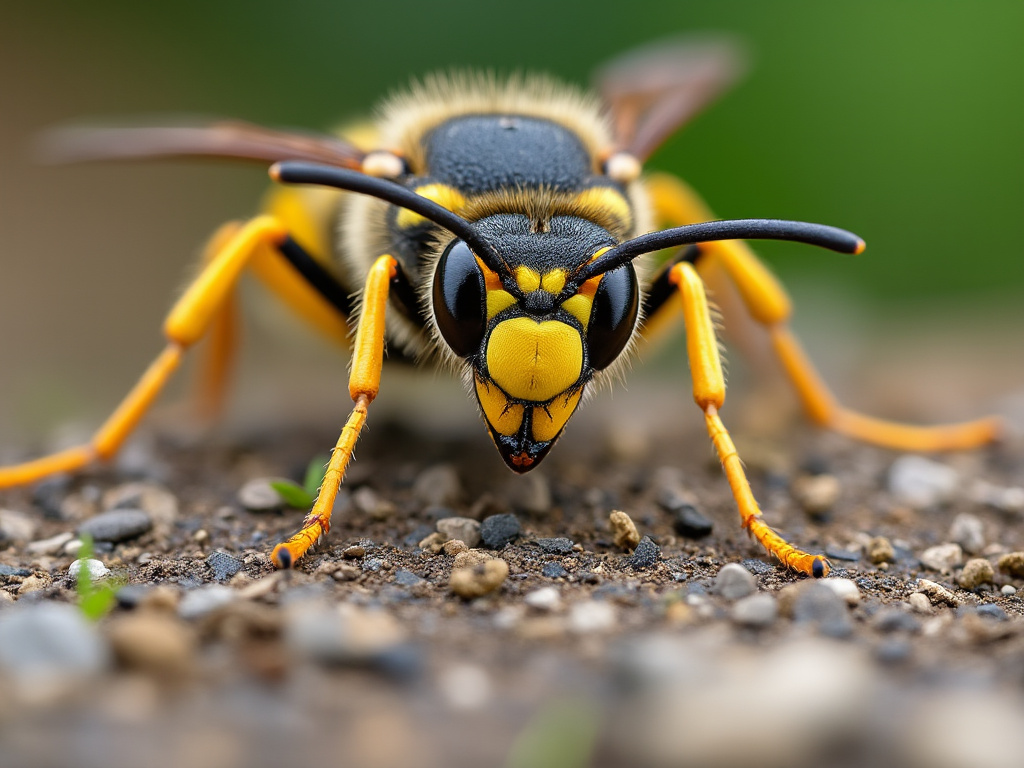
Wasps (Vespula)
Commonly known as yellowjackets, wasps like the common wasp (Vespula vulgaris) are vitally important as pollinators and natural pest controllers.
Though they may sting if threatened, such encounters are rare, and their stings are generally non-fatal except for allergic individuals.
Wasp nests often resolve themselves as they are temporary structures.
Ants (Formicidae)
The black garden ant (Lasius niger) represents a social insect common in many households.
Ants help to decompose organic material and improve soil health.
While native ants pose minimal risk, invasive species can form supercolonies, requiring professional management to ensure safety.
Woodlice (Isopoda)
Woodlice, or pillbugs, thrive in moist environments and feed on decaying plant material.
They contribute to nutrient cycling in gardens and are also a food source for various animals.
Woodlice are usually harmless but can indicate excessive dampness or decay if found indoors.
Silverfish and Firebrats (Zygentoma)
Silverfish and firebrats are wingless insects that favor humid conditions, with silverfish primarily consuming starches from paper and wallpaper.
While their presence can be alarming, they do not typically damage materials in large quantities.
Effective control measures for silverfish include reducing humidity and maintaining cleanliness.
Bedbugs (Cimex lectularius)
Bedbugs are notorious for their elusive nature and nighttime feeding habits, resulting in itchy welts on human skin.
Although they do not transmit diseases, their presence can lead to psychological distress and discomfort, necessitating vigilant monitoring when traveling and effective extermination methods if they infiltrate living spaces.
Houseflies (Musca domestica)
Common houseflies are often vectors for disease, transmitting bacteria that can lead to illnesses such as cholera and typhoid fever.
However, the extent of their role in disease transmission is still under investigation.
To control housefly populations, effective measures include maintaining cleanliness and using nets or traps.
Spiders (Araneae)
Spiders, which are technically not insects, play a key role in controlling insect populations.
Common varieties found in homes, like the cross spider, are generally harmless to humans.
If unwanted, spiders can be relocated safely using containment methods to avoid harm to the insect and ensure ecological balance.
This overview emphasizes the importance of understanding these common household insects, recognizing both their beneficial roles in the ecosystem and the potential challenges they may present.
However, many of these insects contribute significantly to the ecosystem and rarely cause real harm.
This article delineates twelve common insects, categorizing their characteristics, benefits, and potential concerns for homeowners.
Mosquitoes (Nematocera)
There are 34 species of mosquitoes in the Netherlands, the most recognized being the common mosquito (Culex pipiens).
Not all species bite; some, including the long-legged mosquito (Tipulidae), are recognized for their harmless nature.
Mosquitoes lay eggs in water and damp soil, playing a role in the ecosystem as a food source for birds and bats.
While most mosquito bites lead to mild allergic reactions rather than serious illness, they can transmit diseases in extreme cases, most notably dengue fever and chikungunya, from invasive species like the tiger mosquito (Aedes albopictus).
Preventative measures include eliminating standing water and using natural repellents such as catnip.
Clothes Moths (Tineidae)
Moths, including the common clothes moth (Tineola bisselliella), are often mistakenly identified.
They primarily feed on textiles and can compromise stored food supplies, particularly flour and grains.
Moths do not carry diseases but can lead to hygiene concerns.
To prevent infestations, food should be stored in airtight containers, while clothing should be kept in sealed bags.
Wasps (Vespula)
Commonly known as yellowjackets, wasps like the common wasp (Vespula vulgaris) are vitally important as pollinators and natural pest controllers.
Though they may sting if threatened, such encounters are rare, and their stings are generally non-fatal except for allergic individuals.
Wasp nests often resolve themselves as they are temporary structures.
Ants (Formicidae)
The black garden ant (Lasius niger) represents a social insect common in many households.
Ants help to decompose organic material and improve soil health.
While native ants pose minimal risk, invasive species can form supercolonies, requiring professional management to ensure safety.
Woodlice (Isopoda)
Woodlice, or pillbugs, thrive in moist environments and feed on decaying plant material.
They contribute to nutrient cycling in gardens and are also a food source for various animals.
Woodlice are usually harmless but can indicate excessive dampness or decay if found indoors.
Silverfish and Firebrats (Zygentoma)
Silverfish and firebrats are wingless insects that favor humid conditions, with silverfish primarily consuming starches from paper and wallpaper.
While their presence can be alarming, they do not typically damage materials in large quantities.
Effective control measures for silverfish include reducing humidity and maintaining cleanliness.
Bedbugs (Cimex lectularius)
Bedbugs are notorious for their elusive nature and nighttime feeding habits, resulting in itchy welts on human skin.
Although they do not transmit diseases, their presence can lead to psychological distress and discomfort, necessitating vigilant monitoring when traveling and effective extermination methods if they infiltrate living spaces.
Houseflies (Musca domestica)
Common houseflies are often vectors for disease, transmitting bacteria that can lead to illnesses such as cholera and typhoid fever.
However, the extent of their role in disease transmission is still under investigation.
To control housefly populations, effective measures include maintaining cleanliness and using nets or traps.
Spiders (Araneae)
Spiders, which are technically not insects, play a key role in controlling insect populations.
Common varieties found in homes, like the cross spider, are generally harmless to humans.
If unwanted, spiders can be relocated safely using containment methods to avoid harm to the insect and ensure ecological balance.
This overview emphasizes the importance of understanding these common household insects, recognizing both their beneficial roles in the ecosystem and the potential challenges they may present.