
Germany's Election Outcomes: Migrants Confront Uncertainty as Far-Right Support Grows
With the Alternative for Germany party gaining momentum, immigrants are voicing worries about economic uncertainty and social integration.
Mohammad Azmouz, a 57-year-old barber from Syria living in Berlin, expressed that his experience of voting for the first time in Germany was beyond words.
Yet, the recent election outcomes, which highlighted a notable surge in support for the anti-immigration Alternative for Germany (AfD) party, have left him feeling uneasy about what lies ahead.
Azmouz questioned, "Why this animosity?
We work hard, and we have made our lives here.
We are not a burden on society, so why this animosity?
We care for the German people."
Asylum policy proved to be a crucial issue in this election cycle, aiding the conservative parties and the AfD, which achieved the first and second highest vote totals, respectively.
In light of rising living costs and a more unfriendly atmosphere for immigrants, Azmouz opted to vote for the far-left Die Linke party, which concentrated on social justice and promised further assistance for low-income families.
He reflected on the rising costs faced by residents, recalling the more favorable circumstances during Angela Merkel's lengthy chancellorship.
Research from DeZIM has underscored the economic worries among individuals with immigrant backgrounds, with 63.4% expressing concern about their financial situation, compared to only 46.7% of native Germans.
The number of established migrants in Germany has reached unprecedented levels, with over seven million people of immigrant ancestry eligible to vote, including many former refugees.
While numerous migrants share economic concerns, their political views vary.
For Mohammed, a Jordanian barber without voting rights, the rise of the AfD signifies an essential political transition.
He stressed the necessity for Germany to reinforce its borders and showed support for stricter measures against violent offenders, as well as restrictions on family reunification for refugees.
He stated, "If there were an AfD party in my country, I would vote for it."
Historically, the Social Democrats (SPD) have been favored by migrant communities for their emphasis on workers' rights and social welfare; however, they suffered a significant drop in support during this election cycle.
Alaa Eddin Mhanna, a Syrian plant operator residing near Berlin, noted that he had voted for the SPD in the last election but was discouraged this time due to the party's stance on Ukraine, which he views as harmful to Germany’s economy.
He voiced his frustration over the lack of political representation for his perspectives, saying, "No party truly represents me."
Mhanna pointed to economic issues as the most pressing matter in this election and suggested that these concerns fueled the AfD's growing prominence.
He expressed worry about the possibility of conservatives collaborating with the AfD, remarking, "Of course, the conservatives won't create a coalition with them, but they will gain significant influence as opposition and that worries me."
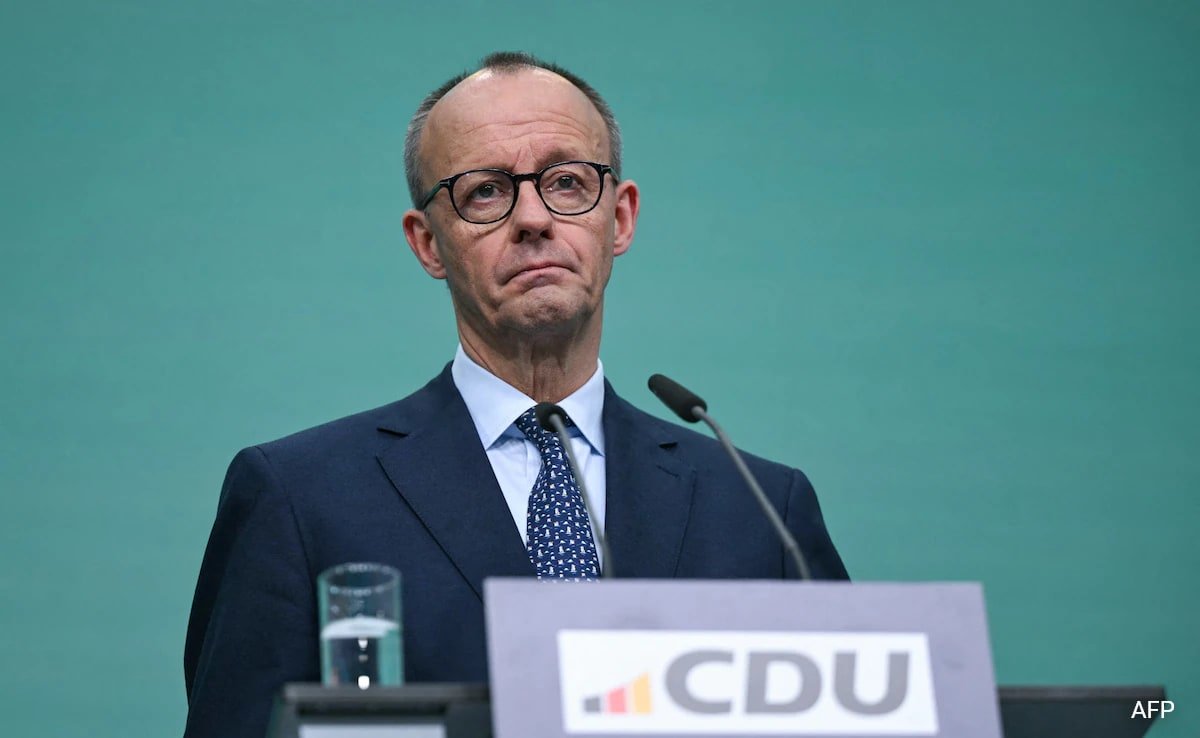
Azmouz held onto a hopeful thought, desiring that Friedrich Merz, the leader of the Christian Democratic Union (CDU), would steer Germany towards prosperity while promoting a compassionate governance style that benefits all residents, including refugees.
He remarked, "We hope that the party in power will show compassion to the people — not only refugees but also all German citizens."
Yet, the recent election outcomes, which highlighted a notable surge in support for the anti-immigration Alternative for Germany (AfD) party, have left him feeling uneasy about what lies ahead.
Azmouz questioned, "Why this animosity?
We work hard, and we have made our lives here.
We are not a burden on society, so why this animosity?
We care for the German people."
Asylum policy proved to be a crucial issue in this election cycle, aiding the conservative parties and the AfD, which achieved the first and second highest vote totals, respectively.
In light of rising living costs and a more unfriendly atmosphere for immigrants, Azmouz opted to vote for the far-left Die Linke party, which concentrated on social justice and promised further assistance for low-income families.
He reflected on the rising costs faced by residents, recalling the more favorable circumstances during Angela Merkel's lengthy chancellorship.
Research from DeZIM has underscored the economic worries among individuals with immigrant backgrounds, with 63.4% expressing concern about their financial situation, compared to only 46.7% of native Germans.
The number of established migrants in Germany has reached unprecedented levels, with over seven million people of immigrant ancestry eligible to vote, including many former refugees.
While numerous migrants share economic concerns, their political views vary.
For Mohammed, a Jordanian barber without voting rights, the rise of the AfD signifies an essential political transition.
He stressed the necessity for Germany to reinforce its borders and showed support for stricter measures against violent offenders, as well as restrictions on family reunification for refugees.
He stated, "If there were an AfD party in my country, I would vote for it."
Historically, the Social Democrats (SPD) have been favored by migrant communities for their emphasis on workers' rights and social welfare; however, they suffered a significant drop in support during this election cycle.
Alaa Eddin Mhanna, a Syrian plant operator residing near Berlin, noted that he had voted for the SPD in the last election but was discouraged this time due to the party's stance on Ukraine, which he views as harmful to Germany’s economy.
He voiced his frustration over the lack of political representation for his perspectives, saying, "No party truly represents me."
Mhanna pointed to economic issues as the most pressing matter in this election and suggested that these concerns fueled the AfD's growing prominence.
He expressed worry about the possibility of conservatives collaborating with the AfD, remarking, "Of course, the conservatives won't create a coalition with them, but they will gain significant influence as opposition and that worries me."
Azmouz held onto a hopeful thought, desiring that Friedrich Merz, the leader of the Christian Democratic Union (CDU), would steer Germany towards prosperity while promoting a compassionate governance style that benefits all residents, including refugees.
He remarked, "We hope that the party in power will show compassion to the people — not only refugees but also all German citizens."